
60-Day Deadline Between Iran and the United States Ends Without Agreement
Al-Taj News –
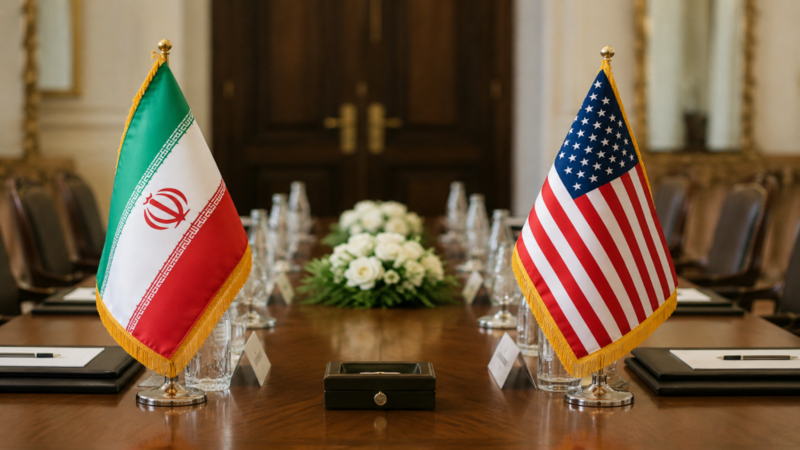
The 60-day deadline set by the Islamabad Memorandum of Understanding to reach a final agreement between Iran and the United States expires on Monday, August 17, without resulting in the resumption of direct negotiations or an agreement to extend the deadline, amid continued disputes over the Strait of Hormuz and the US naval blockade of Iran.
Tehran and Washington signed the 14-point memorandum of understanding on June 18. It called for ending the war and reaching a final agreement within 60 days, with the possibility of an extension by mutual consent, in addition to gradually lifting the US naval blockade, ensuring the passage of commercial vessels through the Strait of Hormuz, granting exemptions for Iranian oil exports, and releasing frozen Iranian funds.
However, the period following the signing of the memorandum witnessed a resumption of mutual strikes before tensions eased, while Tehran and Washington exchanged accusations of violating the understanding.
Iran accuses the United States of failing to lift the naval blockade according to the agreed schedule, while Washington accuses Tehran of failing to restore maritime traffic through the strait.
Meanwhile, the US Central Command (CENTCOM) announced that the aircraft carrier USS George H.W. Bush had entered the Arabian Sea, in the latest US naval move in the region, amid the continued naval blockade imposed on Iranian ports.
The United States is imposing a naval blockade on Iranian ports in the Strait of Hormuz, while Tehran has set six conditions for reopening the strait, most notably ending military operations, lifting sanctions and the blockade, withdrawing US forces from its vicinity, paying compensation for war-related damage, and releasing frozen Iranian funds.
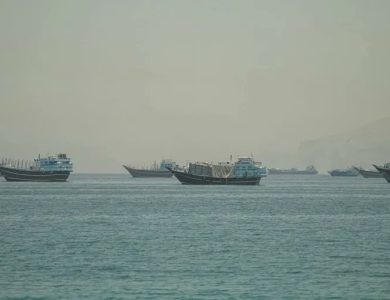
The Strait of Hormuz, located between Iran and Oman, is one of the main areas of tension in the conflict due to its importance to global trade. Before the war, it served as a major route for around one-fifth of the world’s energy supplies.
The war began on February 28, when Israel and the United States attacked Iran. Tehran responded by closing the strait, giving it a strategic leverage point in its confrontation with Washington.